Greensoil has successfully completed a four-week pilot project demonstrating the effectiveness of PFAS soil treatment using foam fractionation under real field conditions. The pilot was carried out within the framework of the LIFE Capture project.
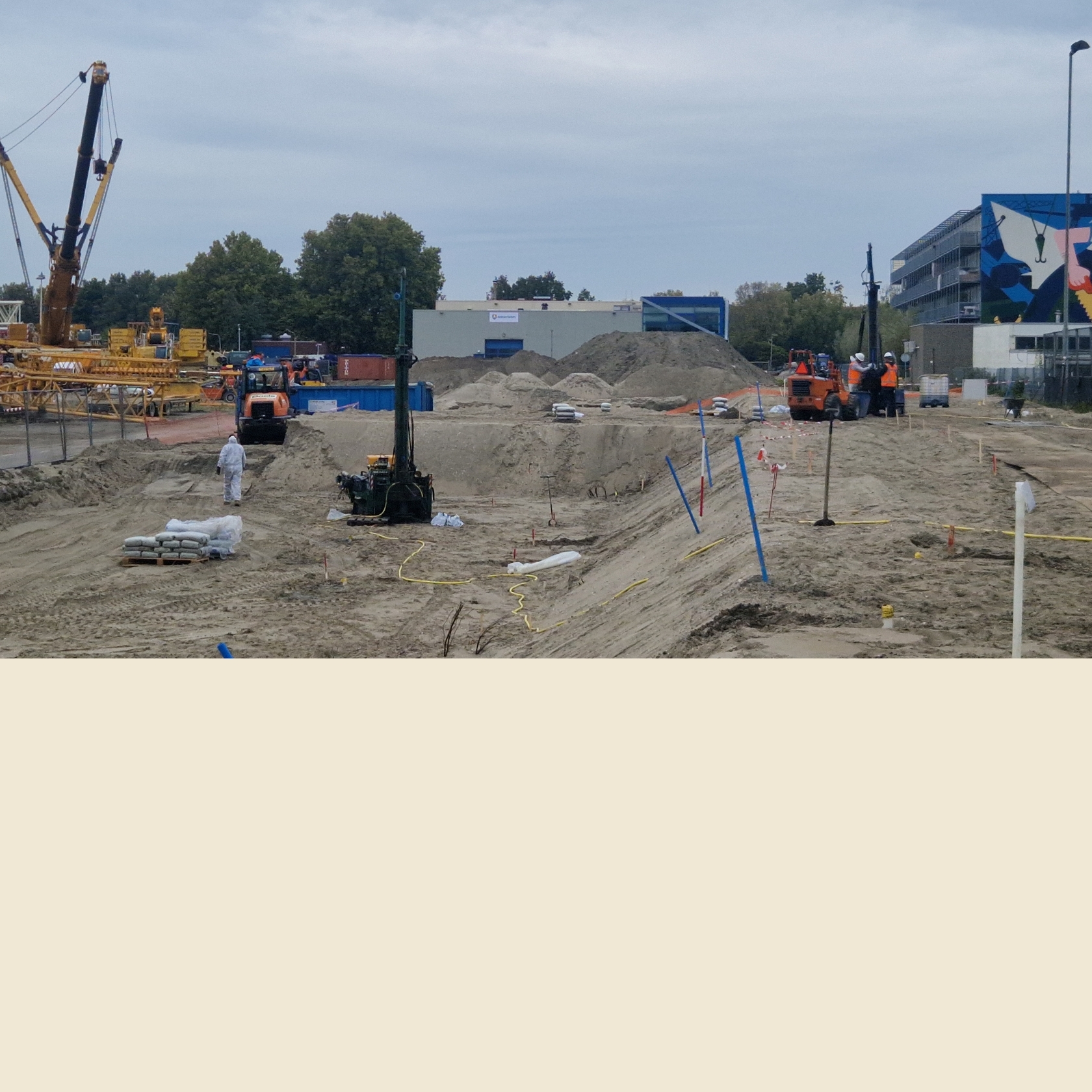
The pilot took place at a former fire training site, where two different PFAS-contaminated soil types were treated. PFAS concentrations reached levels of up to approximately 200 µg/kg. During the process, the soil was mixed with water to form a slurry and subsequently aerated. PFAS molecules attached to fine air bubbles and rose to the surface as foam, which was skimmed off and treated separately. This approach concentrates PFAS in a very small residual stream for safe disposal, while producing clean process water and reusable soil. The application of foam fractionation to soil treatment at this scale is new.
Despite challenging soil characteristics, including high fines content and elevated organic matter, the pilot achieved PFAS removal efficiencies of 88 to 91 percent in the treated soil. These results were consistent across both soil types and meet performance levels required for scalable remediation solutions.
The pilot installation was designed and constructed in cooperation with Zandwijk RTS and operated continuously throughout the test period. This allowed validation not only of treatment performance, but also of energy use and scalability under practical field conditions.
A key innovation in the pilot was the integration of biopolymers, developed together with German partner Sensatec GmbH. These biopolymers selectively bind PFAS compounds and work synergistically with foam fractionation. Their use improved separation efficiency in both the slurry reactor and in-situ treatment steps, while significantly reducing the volume of PFAS-contaminated residual waste.
The successful completion of this pilot represents an important step towards circular, high‑efficiency PFAS remediation solutions, combining effective contaminant removal with minimised waste streams.
Do you want to see if Bioremediation is the right approach for your project?
Schedule a meeting or request our free brochure today.